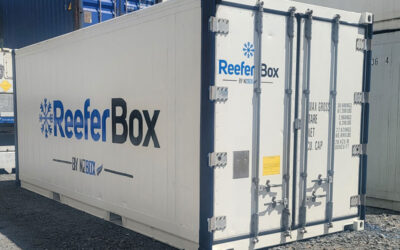
Shipping container security requires strong locks, lockboxes, access control, smart site placement, lighting, and insurance compliance to reduce theft risk and protect assets.
Shipping containers are inherently strong, but effective container security requires more than simply closing the doors. The best shipping container security NZ strategies combine high quality container locks, reinforced hardware, smart site placement, and clear access control. Whether you are storing renovation tools, business inventory, or long term equipment, this checklist explains how to reduce theft risk, protect assets, and choose the right security features for your container size and use.
1. Security concerns for storage
Shipping containers are widely used across New Zealand for secure storage, workshops, renovation projects, and small business operations. Their steel construction already provides a strong baseline for asset protection, but security planning should still be a priority.
According to the New Zealand Police, theft from construction sites and storage locations remains a persistent issue, with tools and equipment among the most frequently stolen items. Similarly, industry guidance from the Master Builders New Zealand highlights that unsecured storage areas can significantly increase project losses.
For homeowners, DIY renovators, and small businesses, the most common risks include:
- Theft of tools, stock, or equipment
- Opportunistic break-ins at isolated sites
- Poor quality locks or exposed locking mechanisms
- Containers placed in low-visibility areas
The good news is that modern shipping container security solutions are highly effective when implemented correctly.
At NZBOX, customers use containers for many different purposes including:
- 10ft containers for compact residential storage
- 20ft containers for renovation projects and workshops
- 40ft containers for business inventory or large equipment storage
- High cube containers for projects needing additional height
Each container type can be secured effectively with the right combination of anti-theft hardware and site planning.
2. Lock types and recommendations
The most important component of container security is the locking system. Standard container doors use steel locking bars, but these should always be reinforced with high-quality padlock protection.
Common container locks
Heavy duty padlocks
A hardened steel padlock is the most common and accessible solution.
Look for locks that include:
- Hardened steel or boron alloy shackles
- Anti-cut and anti-drill protection
- Weather resistant construction
Cheap padlocks are one of the most common failure points in storage security.
Research from Consumer NZ consistently shows large differences in performance between budget locks and high quality security models.
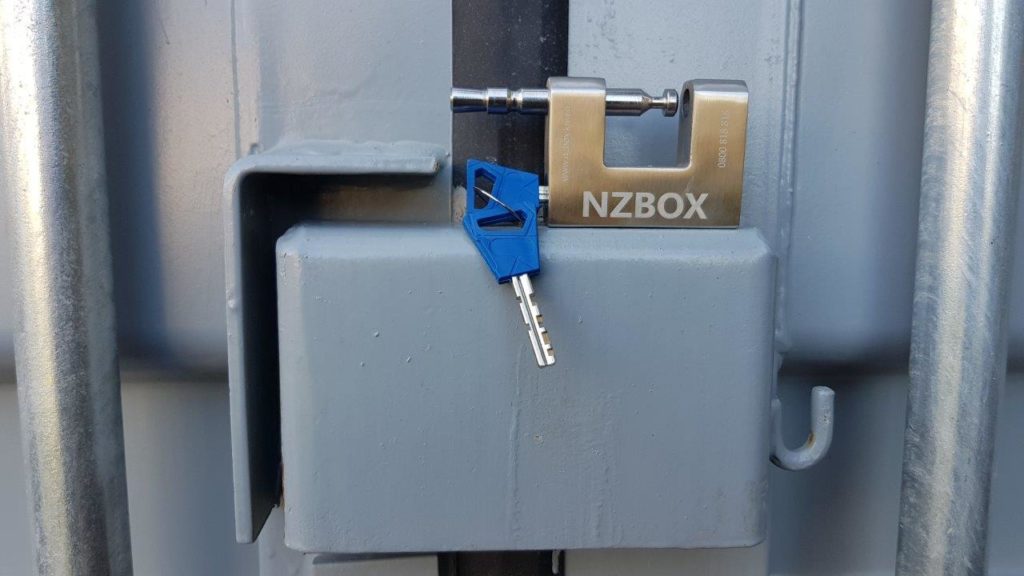
Lockboxes
A lockbox encloses the padlock inside a steel housing welded onto the container door.
Benefits include:
- Protection from bolt cutters
- Reduced visibility of the locking mechanism
- Increased resistance to tampering
Many NZBOX containers for sale and hire include lockboxes as standard or optional upgrades.
Disc locks
Disc locks are circular padlocks designed specifically for storage and container use.
Advantages include:
- Minimal exposed shackle
- Strong resistance to cutting tools
- Better fit inside container lockboxes
These are particularly useful for business customers storing high-value assets.

Choosing the right lock for your container
Container size and use influence the ideal security setup.
10ft containers
- Common for residential use
- Use one high-quality disc lock with a lockbox
20ft containers
- Popular for renovations and workshops
- Use lockbox plus high security padlock
40ft containers
- Used for inventory or equipment storage
- Consider dual locks and site monitoring
For small business owners storing stock or tools, layered security features often provide the best protection.
3. Access control systems
Beyond physical locks, controlling who has access to your container is equally important.
This is especially relevant for job sites, shared workspaces, and businesses.
Key control
Basic access control starts with limiting key distribution.
Best practices include:
- Only issuing keys to authorised staff
- Maintaining a key register
- Changing locks if keys are lost
This simple step can prevent many security issues.
Smart access systems
For containers used as operational spaces such as workshops or offices, digital access control is becoming more common.
Examples include:
- keypad locks
- smart padlocks
- electronic access logs
The Security Association of New Zealand notes that layered access systems reduce internal theft risks and improve accountability.
Container modifications for security
Some users choose to integrate security upgrades during container modifications.
Common upgrades include:
- reinforced personnel doors
- security shutters over windows
- internal locking bars
These options are particularly useful for containers converted into workshops or office spaces.
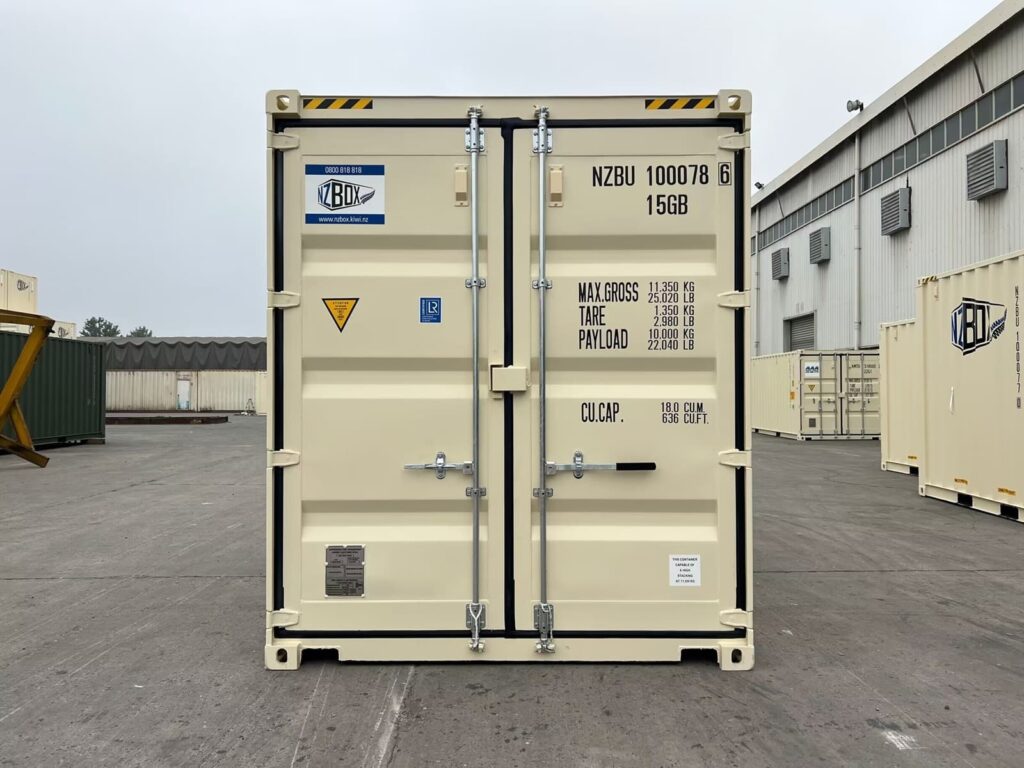
10HC Beige 1015 HiSpec 8 Vents EOD Bamboo Floor Lockbox Doors
4. Site security measures
Even the best lock cannot compensate for poor site placement. Effective theft prevention requires thinking about how the container interacts with its environment.
Visibility and lighting
Containers placed in well-lit, visible locations are far less likely to be targeted.
Security experts from the New Zealand Crime Prevention Council emphasise that natural surveillance is one of the most effective deterrents.
Simple improvements include:
- motion sensor lighting
- positioning containers near activity areas
- avoiding hidden corners of a property
Physical barriers
Adding barriers around containers increases security significantly.
Options include:
- fencing
- locked gates
- bollards or concrete blocks
Construction sites often combine fencing with container storage to create secure equipment zones.
Ground placement
Proper placement improves both security and usability.
Best practice includes:
- level ground
- solid foundations or blocks
- positioning doors away from public access
Correct placement also helps prevent damage to the container structure.
5. Insurance considerations
Insurance is often overlooked in container storage planning.
However, insurers typically require specific anti-theft measures before covering stored assets.
According to the Insurance Council of New Zealand, policy terms may require:
- approved locks
- secure site conditions
- proof of storage protection
Failing to meet these requirements can affect claims.
For businesses storing inventory or tools, reviewing insurance requirements before selecting a container security setup is essential.
6. Shipping container security checklist
Use this checklist when setting up your container.
Container hardware
- Install a high quality hardened steel padlock
- Add a welded lockbox to protect the lock
- Inspect door seals and locking bars
Access control
- Limit the number of keys issued
- Track key holders or use smart locks
- Replace locks if keys are lost
Site placement
- Position container in visible areas
- Install motion lighting
- Avoid isolated locations
Physical barriers
- Consider fencing or gated access
- Use bollards or obstacles to prevent vehicle access
Monitoring
- Install cameras where appropriate
- Conduct regular inspections
Insurance
- Confirm insurance requirements
- Document security measures
This checklist helps ensure your secure storage setup meets best practice standards.
7. Security consultation: choosing the right solution
Not all containers or projects require the same level of security. The right solution depends on what you are storing and where the container will be located.
For example:
- Renovation projects may prioritise tool security and accessibility
- Home storage may focus on weatherproofing and lock protection
- Businesses may require multiple containers and monitored access
NZBOX provides a range of container options for sale and hire including:
- compact 10ft containers for residential storage
- versatile 20ft containers for renovations and workshops
- large 40ft containers for commercial inventory
Combined with professional modification services and security upgrades, these containers can be tailored to different asset protection needs.
If you are unsure which setup is right for your situation, NZBOX can help assess site conditions, container type, and recommended security features before delivery.
Keep Your Shipping Container Secure with NZBOX
Securing your shipping container is essential for protecting valuable goods, preventing unauthorised access, and maintaining peace of mind. By using quality locks, checking doors and seals, choosing a suitable location, and carrying out regular security inspections, you can help keep your container and its contents protected.
At NZBOX, we offer shipping containers for sale and hire to suit a range of storage and transport needs. Visit nzbox.kiwi.nz to explore our container options and services, or contact our team for help finding the right shipping container for your requirements.
Frequently Asked Questions
Are shipping containers secure for storing tools and equipment?
Yes. Containers are made from heavy duty steel and designed for secure cargo transport. When combined with lockboxes and high quality padlocks, they offer excellent theft prevention.
What is the most secure lock for a shipping container?
Disc locks or hardened steel padlocks used inside lockboxes provide some of the best protection. These designs reduce exposure to cutting tools.
Do larger containers need additional security?
Often yes. 40ft containers used for business inventory may benefit from dual locks, better lighting, and monitored access systems because they often contain higher value assets.
Can I add security upgrades to a container later?
Yes. Containers can be modified after purchase or hire to add lockboxes, reinforced doors, or additional security features.
Are containers suitable for secure business storage?
Absolutely. Many small businesses use containers as cost effective alternatives to warehouse space. With the right container security setup, they provide reliable secure storage for tools, stock, and equipment.
Shipping containers are already one of the most durable storage solutions available. With thoughtful planning, strong locks, and smart site security, they can also become one of the most secure.