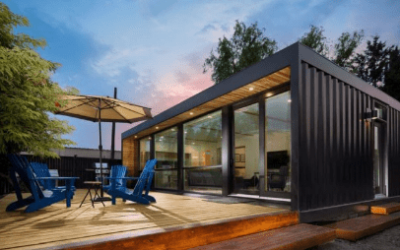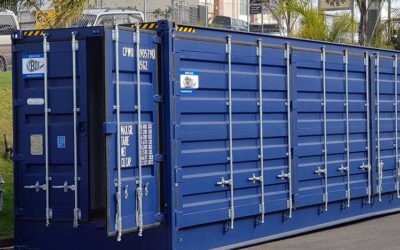
The most practical container-based business ideas in New Zealand are mobile retail and pop-up shops, secure trade and service depots, relocatable workshops and site offices, event storage hubs, and multi-use shared commercial hubs. A modified shipping container gives small business owners a retained, lower-overhead asset instead of a long commercial lease, with the flexibility to move as the business grows. See container sales and container hire options, or get a quote to talk through your concept with the NZBOX team.
Introduction: Containers as Scalable Business Platforms
Commercial rent is one of the biggest brakes on a new venture’s cash flow. Between bonds, fit-out costs, and multi-year leases, many Kiwi entrepreneurs sink their start-up capital into a building before they have proven the business idea actually works. If the location does not perform, or the concept needs to pivot, that capital is largely locked in.
A modified shipping container flips this equation. It’s a one-off asset purchase, or a flexible hire arrangement, rather than an ongoing lease liability, and it stays yours, or the hire company’s, to move, resell, or repurpose. For a small operator, that means:
- Lower fixed overheads compared with a standard commercial tenancy.
- An asset you retain, rather than sunk rent you never see again.
- Mobility, so you can chase foot traffic, seasonal demand, or a better site without breaking a lease.
- Speed to market, since a container can often be fitted out and delivered far faster than a new-build tenancy can be consented and constructed.
None of this means a container business is consent-free or plug-and-play. As we cover below, site access, council rules, and utility connections all still need proper planning. But for entrepreneurs and operations teams who want a professional, secure, and scalable footprint without the risk of a long lease, a purpose-modified container is one of the most practical platforms available in New Zealand right now.
5 Profitable Container-Based Business Models
1. Mobile Retail & Pop-Up Shops
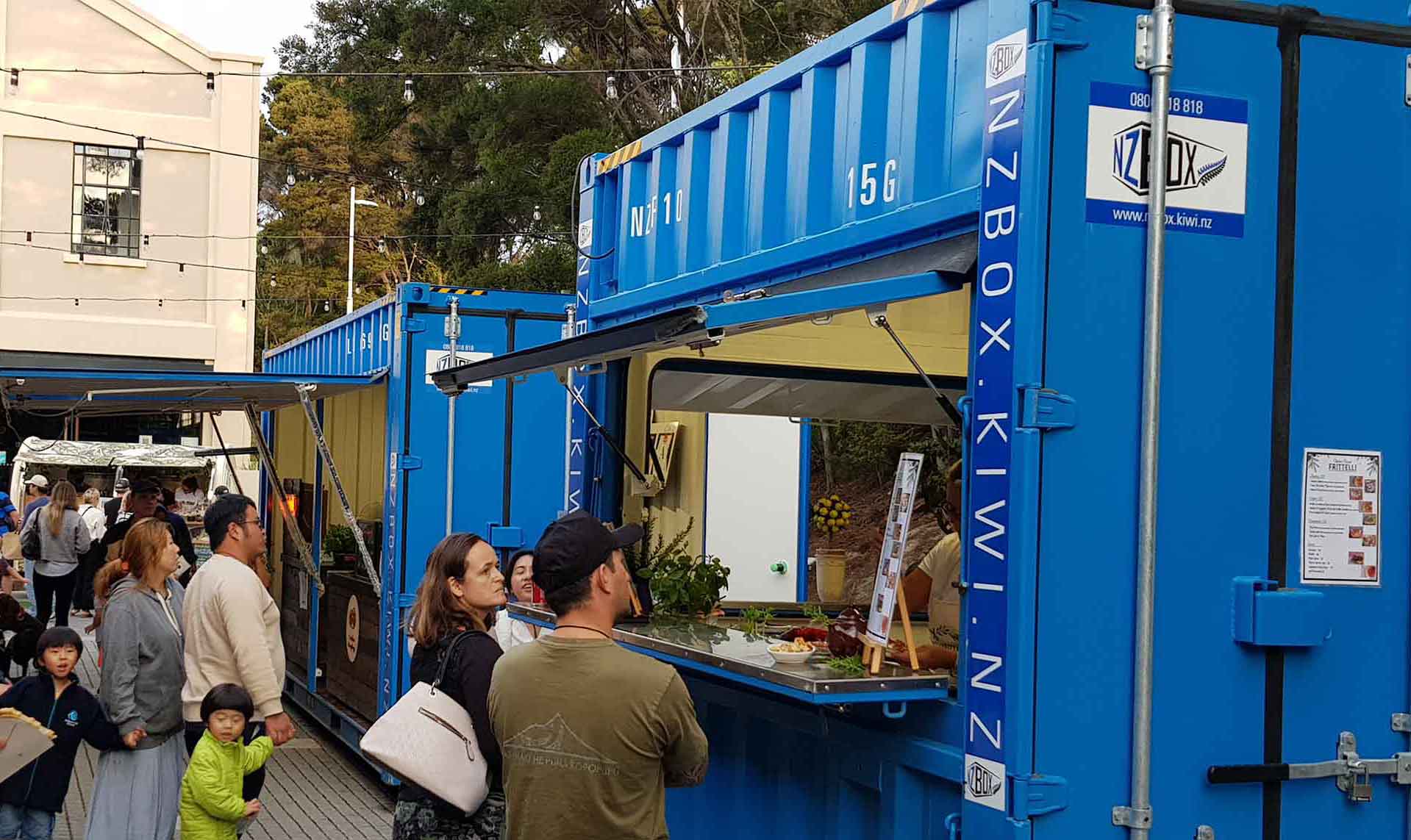
A 10ft or 20ft container converted into a servery, kiosk, or boutique retail space is one of the most established container business models in NZ. Coffee kiosks, artisan food outlets, surf and beachwear shops, and seasonal Christmas or market stalls all suit this format well. The appeal is simple: a striking, branded, fully enclosed space that can trade from a beachfront reserve in summer and relocate to an urban laneway or event site the rest of the year.
2. Service Business Base
Trades and service businesses (carpet cleaning, mobile mechanics, pool and spa servicing, landscaping crews) often need a secure base for gear, chemicals, and stock without wanting to commit to a warehouse lease. A converted container gives a lockable, weatherproof depot that can sit on a yard, a rented site, or even a client’s property for the length of a contract, then move on when the job is done.
3. Mobile Workshop & Site Office
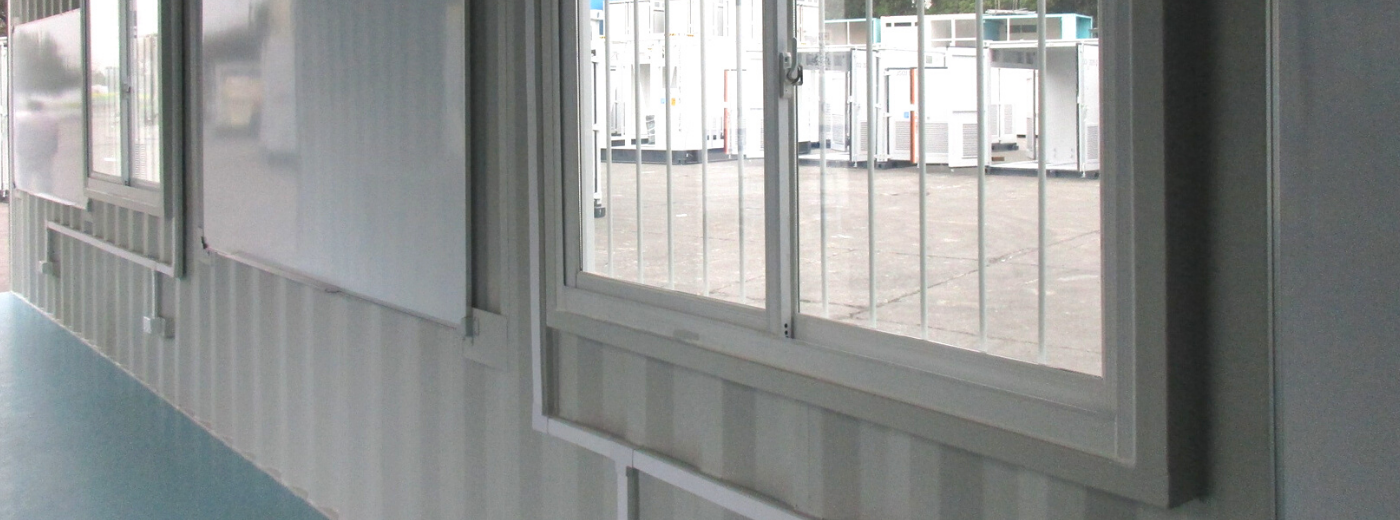
Container-based site offices and fabrication hubs are widely used across construction, civil, and trades sectors in New Zealand, and increasingly by tech consultants and small professional practices who want a relocatable, self-contained workspace. Insulated, powered, and fitted with desks or bench space, a converted 20ft or 40ft unit can shift from project to project with the business, rather than sitting empty between contracts like a fixed office would.
4. Event Storage & Logistics Hub
Event managers and festival organisers need secure, weatherproof staging space that can be dropped on-site days before an event and cleared quickly afterwards. A container hired for the duration of an event gives operations-focused teams a lockable base for equipment, stock, cabling, and staff amenities, without the cost or waste of a temporary structure built from scratch each time.
5. Multi-Use Service Hub
For shared commercial sites, such as a food truck park, a market precinct, or a shared trade yard, a bank of containers can provide central amenities: shared storage, a site office, toilets and services housing, or a hire desk. This model suits site operators and small business collectives who want to offer tenants professional-grade infrastructure, and a rent-to-own arrangement can make the upfront investment easier to stage as the site fills up.
NZBOX Team Insights & Technical Feasibility
Turning a steel box into a working business premises is a technical job as much as a commercial one. We asked members of the NZBOX team, whose profiles are on our Meet the Team page, to weigh in on what small business buyers most need to get right.
Delivery, access, and relocating as you grow
Stuart Osborne, our Operations Manager, coordinates nationwide transport, logistics, and relocations for NZBOX customers.
“The site visit conversation happens before the container ever leaves the yard. Crane truck or hiab access, overhead lines, tight driveways, soft ground after rain: all of it changes how a delivery goes, especially for a pop-up on a beach reserve or a laneway site. Get that sorted early and the rest of the project runs a lot more smoothly. It also means that when a business outgrows one site, or the season changes, we can plan the next move properly rather than scrambling.”
Fit-out, comfort, and NZ compliance
Insulation, ventilation, wiring, plumbing, and door or window conversions are where a shipping container stops being a box and starts being a workable premises. Our modifications team’s general advice to small business buyers is to be clear from the outset about what the space needs to do (does it need to hold a food-safe servery, a powered workshop, or simply dry secure storage), because that decision drives the level of insulation, electrical certification, and consent pathway required. We would always recommend confirming any specific building code or consent question with your local council or a licensed building practitioner rather than assuming a standard fit-out will suit every site.
Matching the right unit and security
Reuben Moore, who leads North Island sales for NZBOX, spends much of his week talking small business owners through exactly this kind of decision.
“Most small business buyers come to us worried about two things: will it fit what they actually need to do, and will their gear be safe once it’s on-site. We talk through container size, door configuration, and security add-ons like heavy-duty lockboxes and anti-vandal features based on the site itself, not just a generic spec sheet. A container sitting on an unsupervised yard overnight needs a different security setup to one on a staffed event site during daylight hours.”
3 Real-World Kiwi Business Concepts in Action
The following are illustrative concepts based on the kinds of container businesses operating around New Zealand, rather than named case studies of specific NZBOX customers.
The coastal espresso bar. A 10ft container fitted out as a fully plumbed coffee servery, positioned on a leased reserve site near a popular beach over the summer season, then relocated inland for the off-season months. The appeal for a small business owner is that the fit-out cost is a one-off asset, not a seasonal lease paid whether the business trades or not.
The rural trade storage hub. A landscaping or fencing contractor converts a 20ft unit into a secure depot for tools, machinery attachments, and materials, sited on a rented rural yard. Reinforced doors and a heavy-duty lockbox address the isolation of the site, and the unit doubles as a small break area for the crew.
The mobile pop-up gear rental shed. An outdoor gear or event equipment hire business uses a 40ft high cube as a combined storage and collection point, moved between a home base and event sites as bookings demand. The same unit doing double duty as storage and customer-facing pickup point keeps overheads down while the business tests demand in a new area.
The Container Business Startup Checklist
Before committing to a container-based launch, work through the following steps.
1. Site access
- Confirm the delivery vehicle (truck and trailer, or hiab/crane truck) can physically reach and manoeuvre on the site.
- Check for overhead lines, low bridges, soft ground, or narrow gateways.
- Agree ground preparation (level pad, foundations or bearers) before delivery day.
2. Local council consent
- Check with your local council whether your specific use, size, and duration on site needs a building consent, resource consent, or is likely to fall under an exemption.
- Do not assume a “temporary” or “relocatable” container is automatically consent-exempt. Requirements vary by council, site zoning, and how long the unit will stay in place. See NZBOX’s own guide to council consents and containers and MBIE’s Building Performance guidance on work that doesn’t need a building consent, but always confirm directly with your council before committing to a site.
3. Utility connections
- Plan power (mains connection, generator, or solar) and, if needed, water and wastewater, before fit-out begins.
- Factor connection lead times into your launch date, particularly for mains power on a new site.
4. Security
- Specify door configuration, lockboxes, and any anti-vandal fittings via NZBOX’s modifications team based on the site’s exposure, not a generic default.
- Consider lighting and, for higher-value stock, remote monitoring.
5. Delivery planning
- Book delivery with enough lead time for site preparation and any consent approvals to be in place – get a quote early so timelines line up.
- Confirm who is on-site to receive and position the unit, and what happens if weather or access delays the delivery window.
6. Business setup fundamentals
- Beyond the physical container, make sure the standard business setup steps are covered: business structure, registrations, and insurance. Business.govt.nz’s 5-step guide to starting a business is a solid checklist for this side of the launch.
- If you are buying rather than hiring, ask your accountant how the container is likely to be treated for asset depreciation purposes. Inland Revenue’s depreciation guidance explains the general approach, though your accountant should confirm the specific rate and treatment for your asset and circumstances.
Frequently Asked Questions
How much does it cost to convert a shipping container into a business premises in NZ?
Costs vary considerably depending on container size, condition (new versus used), and the level of fit-out (insulation, power, plumbing, cladding). I do not have a verified, current figure to quote here, and published price ranges can date quickly, so the most reliable step is to get a quote from NZBOX for your specific size and modification requirements.
Do I need council consent to run a business from a shipping container in NZ?
Possibly. It depends on your local council, the zoning of the site, how long the container will stay in place, and what modifications are made to it. Some temporary or minor structures fall under building consent exemptions, but this is not guaranteed for every container use. See MBIE’s guidance on building work that doesn’t need a consent and NZBOX’s guide to council consents and containers, then confirm directly with your local council before committing to a site.
Should I buy or hire a container for a new business idea?
It depends on how confident you are in the concept and site. Hiring keeps upfront capital low and suits testing a pop-up concept or a fixed-term event, while buying suits a business model you expect to run for years, since you retain the asset and can modify or relocate it as needed. NZBOX’s container sales, container hire, and rent-to-own pages set out the options.
What size container is best for a small pop-up or service business?
A 10ft unit suits a compact kiosk or servery, a 20ft unit gives room for a small retail fit-out, a site office, or a combined storage-and-workspace setup, and a 40ft high cube suits larger workshops, multi-purpose hubs, or combined storage and customer-facing space. The right size depends on your layout, equipment, and any plumbing or servery requirements, so it is worth talking it through with the team before deciding.
Can a container-based business be relocated once it is set up?
Yes, this is one of the main advantages over a standard lease. A modified container can be transported to a new site, though the practicalities (crane or hiab access, ground preparation, disconnecting power and water, and any council notification at the new site) need planning ahead of the move. This is exactly the kind of logistics NZBOX’s operations and transport team coordinates for customers.
Conclusion
A modified shipping container will not suit every business idea, but for the mobile retailer, the trades operator needing secure storage, the site-based consultant, or the event team needing a weatherproof hub, it offers something a standard lease cannot: an asset you keep, at a fraction of the overhead, that can move with the business rather than tying it down.
The businesses that get the most out of this model are the ones that plan the practical details (site access, consent, power, and security) before delivery day, not after. That is exactly where the NZBOX team can help.
Ready to move from idea to execution? Download the NZBOX Container Business Planning Guide or get in touch with our team for a modification consult, and we will help you work out the right size, spec, and site plan for your venture. You can also request a quote online to get the conversation started.