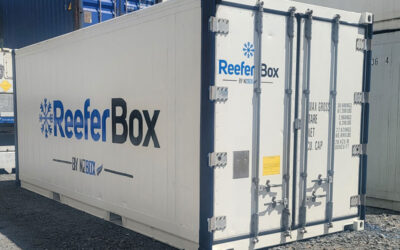
- A container business setup gives you a compliant, portable office and business storage solution without committing to a long commercial lease.
- In New Zealand, you will usually need to work with your local council on building and (sometimes) resource consent, especially if customers or staff will occupy the container as a workplace.
- A purpose-built portable office container with insulation, power and heat pump will typically cost less than building or fitting out a comparable fixed office, and can be relocated if your startup workspace needs change.
- Containers can be combined – for example, one insulated office container plus one storage container for inventory – to create a flexible business infrastructure that scales as your startup grows.
- NZBOX offers office containers, custom container modifications, as well as container sales and hire, backed by a specialist team that regularly delivers modified units for site offices, retail, hospitality and workshops across New Zealand.
Containers as business solutions
For many startups, the biggest early cost is not product or staff; it’s the lease and fit-out of commercial space. A shipping container flips that model by giving you a portable office and business storage solution you control, on land you lease short-term or already own. Containers are durable, weatherproof and secure, so they are well suited to everything from a simple startup workspace on a yard to a compact retail kiosk or coffee operation.

Across New Zealand, modified containers are already used as site offices, retail units, cafes, bars, pop-up activations and portable workshops; entire container malls have been built on this concept. For small business owners and solution-focused founders, that means you can test a new physical presence quickly with lower upfront risk, then scale your container business setup as demand grows.
If you want, the next step after reading this intro is to jot down what your business actually needs from a space – office only, storage only, or a mix of workspace and customer-facing area – as that will drive your container choices; what would be on your must-have list?
Regulatory and consent requirements in NZ
Before you get carried away with layouts and colours, you need to understand how New Zealand regulations treat containers when they are used as commercial space. When a shipping container is used as a building or workplace, local councils typically expect it to comply with the Building Code, particularly around structure, fire, access and services. That means you may need building consent, especially if the container is fixed in place, has services connected or is occupied regularly by staff or customers.
Councils can also require resource consent depending on where the container sits on the site, how many are used, how long they stay, and the activity you are running. Typical steps include confirming zoning, preparing basic site plans showing the container location and access, and supplying drawings and engineering details for any structural modifications. NZBOX regularly supports customers through this process by supplying specifications, modification details and transport information that can be passed to your designer or council.
A useful exercise is to identify your likely site and then list the three key regulatory questions you need to ask your council, such as parking, signage and duration; what type of site are you currently thinking about for your container?
Office container setup – utilities and insulation
A portable office container is often the heart of a container-based startup. NZBOX office containers are purpose-built units that already include linings, 50 mm insulation in insulated models, power distribution, lighting, windows with security bars, and in 20 ft and 40 ft units, a heat pump for year-round comfort. That means you begin with a compliant, comfortable shell rather than an empty steel box, which shortens your setup timeframe.
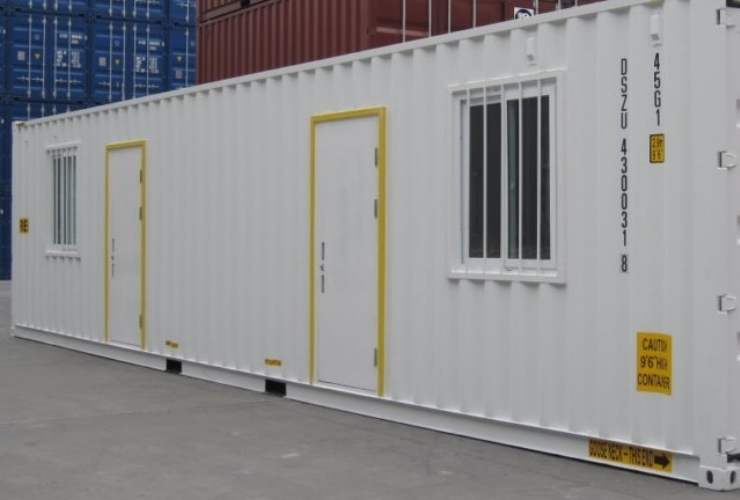
From a utilities perspective, these containers are supplied with an external caravan-style plug, internal power points and USB outlets, making it simple for a registered electrician to connect them to site power. Good practice for a startup workspace is to plan for lighting zones, dedicated circuits for IT equipment and heating, and surge protection if you rely on sensitive devices. For staff health, insulation and climate control matter; insulated office containers reduce condensation and improve thermal performance, which is important in many New Zealand climates.
Thinking about your own business, would your portable office mainly be for quiet admin, or would you need space for customer meetings and team collaboration inside the container?
Storage containers for inventory and equipment
Many small enterprises need more than a desk. They need secure, flexible business storage that can protect stock, tools or event equipment. Standard shipping containers are wind, water and vermin resistant and are widely used across New Zealand as storage units for trade equipment, retail inventory, and seasonal gear. Shelving systems, tie-down points and partitioning can turn a bare container into a highly organised stock room or workshop extension.
NZBOX modification services can add custom shelving, roller doors, additional access doors and internal partitions so that storage supports the way your business operates, not the other way round. For startups, pairing one office container with one general purpose container for storage often delivers a strong balance of workspace and operational capacity without renting a full warehouse. Because containers are relocatable, your storage can move with you as you grow or when you shift your commercial space to a more strategic location.
As you picture your operation, what sort of inventory profile are you working with – small, high-value items or larger, bulky stock that might influence container size and door configuration?
Multi-use container workspaces
One advantage of container-based business infrastructure is modularity. Containers can be joined, stacked or configured in clusters to create multi-use environments that combine office, retail, hospitality and storage functions in a very compact footprint. NZBOX has supported projects such as kiosks, cafes, bars, site offices and retail spaces, all based on container modifications; walls can be removed, new openings created and units connected to form larger internal spaces.
For example, a 20 ft container can serve as a front-of-house food or beverage operation, while a second container provides back-of-house storage and prep space, and a third houses office and administration. For service-led startups, a single 40 ft office container can be split into reception, open-plan workspace and a small meeting room, allowing you to present a professional face to customers from day one. Because the structures are both portable and relatively quick to install, you can treat your workspace almost like a product – refining and reconfiguring as your business model evolves.

At NZBOX, we can go above and beyond what is expected, as this awesome testimonial confirms: “I have been dealing with NZBOX for around 5 years. World-class customer service and James Scott, in particular, has been a pleasure to deal with. This is a company that has the attitude that nothing is ever a problem and they’re always more than happy to work with the customer’s needs and demands, even if he keeps changing his mind every second. Great workmanship, awesome customer service, always going above and beyond – what else can you ask for?
“One particular event that stood out was I needed a container to open in a particular way. This was not in their design but they got engineers out to us and got one made promptly. Highly recommend NZBOX!!” – Ron Malik, Area Manager, Smith and Smith Glass
If you sketched your ideal multi-use container layout on a single A4 page, what three functional zones would you include first?
Cost savings and financial logic
For many SMEs, the key question is not whether containers are interesting, but whether they stack up financially against conventional commercial space. Traditional bricks-and-mortar fit-outs involve design fees, extensive building works, long leases and make-good obligations, which can tie up capital and limit flexibility. By contrast, a container business setup usually involves a one-off purchase or hire cost for the container, targeted modifications and relatively modest site works, combined with shorter-term land use arrangements.
Industry guides on small business premises costs highlight that reducing fixed overheads in the early years can significantly improve survival and growth prospects for startups. Because containers can be relocated or sold, they can retain resale value as assets on your balance sheet rather than pure sunk fit-out costs. In some models, especially for seasonal or project-based operations, hiring containers instead of buying can be even more capital efficient, aligning costs directly with revenue-generating periods.
If you list your top three space-related costs today – such as rent, fit-out, utilities – which of those do you think a container approach could most effectively change?
Case study style scenario – a successful container business
Consider a typical New Zealand trade and service startup that needs a secure base of operations, a place to meet clients occasionally and room to store equipment. By choosing a container-based solution, they might lease a modest yard near a growth area rather than a high-street shop, then combine a 20 ft insulated office container with a 20 ft storage unit fitted with shelving and extra doors. The office container provides a comfortable, powered and insulated workspace, while the storage unit holds tools, materials and promotional gear behind lockable steel doors.
Over time, they add a modified container kiosk to attend events and activations, transported on a truck to sites around the region. This gives them the benefits of both a stable base and a mobile customer-facing presence, all within a container business setup that can be scaled up or moved as contracts change. Feedback from NZBOX customers such as construction and infrastructure companies highlights the value of reliable delivery, good workmanship and a team that will engineer solutions when standard designs are not enough. That same experience transfers directly to small business owners who need a robust yet flexible startup workspace.
Thinking about this scenario, which element feels most aligned with your own plans – the fixed yard base, the mobile kiosk, or the storage side of the operation?
Expertise and support from the NZBOX team
When you are reshaping your business infrastructure around containers, the expertise of your supplier matters as much as the steel boxes themselves. NZBOX is a New Zealand-owned company focused on shipping container sales, hire, modification and relocation across the country, with a team that has delivered everything from simple site offices to complex multi-container projects. The leadership and sales team work together to match container types and modification options with each customer’s specific use case rather than offering one-size-fits-all solutions.
Long-term clients in construction, property and public sector roles comment on NZBOX delivering quality containers, fast turnaround and a willingness to engineer non-standard solutions when required, which are all critical traits for SMEs operating on tight timeframes. Whether you are talking about the overall direction of your project, the day-to-day logistics or the exact container specification in the North Island, there is a named expert who can help guide decisions and keep your container business setup on track.
If you had a 30-minute call with a supplier like this, what is the most important question you would want answered before you committed to a container-based setup?
Business setup consultation
If you are at the decision stage of your buyer journey, the next step is not buying a container immediately; it is clarifying the right container mix and modification level for your specific business model, site and growth plan. A structured consultation with a specialist team can map your operational needs, regulatory context and budget, then translate those into an office container, storage solution and any required modifications.
In practice, that conversation would typically cover whether you should buy or hire, what size and type of containers best suit your use, what level of fit-out you need in year one, and how to stage the project so you can go to market quickly without boxing yourself in. For many SMEs, that first planning step is where the real value lies, because it helps avoid overbuilding or under-specifying your portable office and business storage from the start.
To prepare for that kind of consultation, what information about your business and site could you gather this week so that any adviser can give you specific, actionable guidance rather than generic advice?
Once you have an idea of the key questions you want to ask, reach out to the team here at NZBOX who will be more than happy to talk you through the options available and provide any further information you might require to help to make the most informed decisions.
FAQs – starting your business in a shipping container
Do I need council consent for a container-based business in New Zealand?
If your container will be used as a building, workplace or customer area, you will usually need to engage with your local council about building consent and possibly resource consent, to confirm compliance with the Building Code and local zoning rules.
Is a container office comfortable to work in year round?
Modern office containers are lined and insulated, with features such as 50 mm insulation, heat pumps, double doors and secure windows, which together provide a workspace that can be heated or cooled much like a small conventional office.
Can I start small with one container and scale later?
Yes; many startups begin with one office or storage container and add additional units or upgrades over time, because containers are modular and can be joined, stacked or repurposed as the business grows.
Is it better to buy or hire containers for a startup?
Buying containers can make sense if you plan to use them long term and want an asset you can relocate or resell, while hiring is often more cost-effective for shorter-term projects, seasonal operations or if you want to preserve capital in the early stages.
What types of businesses work well in containers?
Containers are widely used for site offices, retail stores, food and beverage operations, pop-up activations, workshops and storage-heavy businesses, particularly where portability, speed to market and lower upfront premises costs are important.

James Scott, Managing Director, NZBOX
James Scott is the Managing Director of NZBOX, a New Zealand-owned company specialising in shipping container sales, hire, relocations, and custom container solutions. Since joining the business in 2014, he has helped homeowners, businesses, construction companies, and organisations across New Zealand find practical, secure, and reliable container solutions for a wide range of storage and project requirements.
As part of NZBOX’s editorial review process, James reviews educational content to help ensure it reflects current industry knowledge, practical experience, and the company’s commitment to providing accurate, relevant, and trustworthy information. His oversight helps ensure customers receive practical guidance when exploring shipping container products, services, and industry best practices.
Connect with James