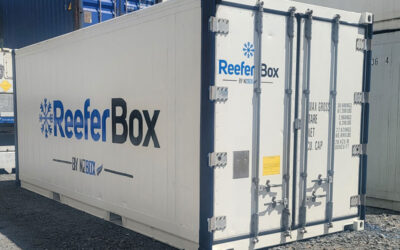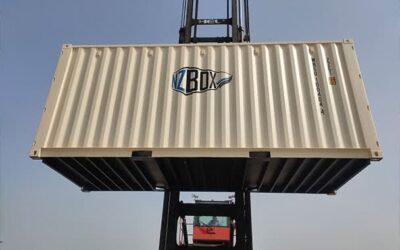
A 20ft or 40ft shipping container can be one of the most efficient, weather-tight home storage options in New Zealand; the right size depends on what you want to store, how much space you have on site, and whether you might need extra height for racking or taller items. With NZBOX you can choose from compact 6ft through to large 40ft units, in both standard and high cube options, so it is possible to match container dimensions closely to your home storage needs rather than squeezing your belongings into whatever is available.
- Best all-rounder for home storage: Standard 20ft container – roughly the size of a single garage, ideal for most 2–3 bedroom households storing furniture, sports gear, tools and seasonal items.
- For whole-home moves or big projects: Standard or High Cube 40ft container – similar capacity to a 4–5 bedroom self storage unit; well suited to full house contents, business stock or long term storage.
- For tight driveways or small sections: 6ft, 7ft, 8ft, 9ft and 10ft containers – great for townhouses, apartments and construction sites where footprint is more important than maximum volume.
- Standard vs High Cube: High Cubes are about 300mm taller than standard shipping containers and can give around 10 per cent more volume; this matters if you stack boxes to the ceiling or have tall items like shelving, gym equipment or large appliances.
- Buying vs hiring: If you need a container for less than about 18 months, NZBOX usually recommends hire; for longer-term home storage, buying can be more cost-effective.
- Next step: Share your site constraints and a rough inventory with the team, and they can size a container for you in a quick, free consultation, using NZBOX’s live dimensions and capacity tools.
1. Why size matters for home storage
Choosing the right shipping container size is about more than just “will everything fit”; it affects how easily you can access items, how tidy your section looks, and how much you pay over time. A container that is too small will force over-stacking and unsafe access, while one that is too large for your site might require more transport cost, more ground preparation and can be trickier to position.
From a New Zealand perspective, a standard 20ft container has an internal volume of around 33 cubic metres; that is in the same ballpark as a typical storage unit recommended for a 2–3 bedroom home. A 40ft container or 40ft High Cube can offer about 60–76 cubic metres, similar to many facilities’ 4–5 bedroom or larger storage units, which is why they are often used for full-house relocations and large lifestyle blocks.

For home storage, that means:
- A single 20ft container can generally cover most “declutter, renovate or temporarily move out of a 2–3 bedroom house” scenarios.
- A 40ft or 40ft High Cube is more appropriate when you plan to store the bulk of a 4+ bedroom home, or you want room for aisles and workshop space inside the container as well as storage.
2. Standard vs High Cube: which is right for you?
Standard containers and High Cubes share the same footprint, but High Cubes are typically 9ft 6in (about 2.9m) high compared with 8ft 6in (about 2.6m) for a standard unit, giving around 300mm extra internal height. This extra height translates to roughly 10 per cent more usable volume in a 40ft High Cube versus a 40ft standard, without taking up more ground space on your driveway or lawn.

For home storage, the choice usually comes down to how you plan to use the space:
- Choose a standard container when:
- You mainly store boxes, furniture and typical household items that stack comfortably to around 2.3–2.4m high.
- You want the most cost-effective option per unit delivered and do not need to install tall shelving or a mezzanine.
- Choose a High Cube when:
- You want to install racking or pallet-style shelving right up to ceiling height to maximise cubic capacity for long-term storage.
- You have tall items such as gym equipment, commercial fridges, or stacked couches and mattresses that benefit from the extra clearance.
Because NZBOX offers both standard and High Cube options, the team can talk through your inventory and recommend whether the extra height will save you from needing a second container or a larger size.
3. Size guide: 10ft, 20ft, 40ft home storage use cases
NZBOX stocks a full range of container sizes, including 6ft, 7ft, 8ft, 9ft, 10ft, 20ft and 40ft, in standard and high cube configurations. Below is a practical guide focused on the core home storage options customers ask about most often.
Compact containers; 6ft to 10ft

Smaller containers are ideal on sites where space is at a premium or where you only need to store selected items, not the full contents of a home. They are also easier to position on tight driveways and can fit into spaces too short for a full-length 20ft container.
Typical uses:
- 6ft and 7ft containers – great for tools, bikes, seasonal gear and overflow from a small garage or garden shed on urban sections.
- 8ft containers – often used as secure garden sheds or for apartment and townhouse residents who lack on-site garaging.
- 9ft containers – taller internal height with a relatively small footprint; suited to small construction projects or home workshops where you need standing room but limited ground space.
- 10ft containers – a popular choice for extra storage at home; roughly half the length of a standard 20ft container but still with full standing height, so they suit 1–2 bedroom homes needing extra room for boxes and furniture.
The all-rounder: 20ft container

The 20ft container is the global standard for freight and one of the most versatile home storage options in NZ. Internally, a typical 20ft standard container offers about 5.9m length, 2.35m width and 2.36m height; this equates to around 33 cubic metres of enclosed, lockable storage.
In household terms, that is similar to a good-sized single garage or a self-storage unit commonly recommended for a 2–3 bedroom home. This makes a 20ft container ideal for:
- Storing most of the contents of a small to medium home during renovations or while building.
- Long-term storage of sports gear, furniture, whiteware and archive boxes when you want everything on your own property.
- Combining general home storage with a small workshop bench or hobby area at one end of the container.
For first-time container shoppers, a useful rule of thumb is that if you are considering a self-storage unit recommended for a 2–3 bedroom home, a 20ft shipping container will usually give similar volume and may work out more cost-effective over time.
The big mover: 40ft and 40ft High Cube

A 40ft standard container has roughly twice the floor area of a 20ft unit, and internal volumes commonly quoted around 67 cubic metres; a 40ft High Cube can reach approximately 76 cubic metres, thanks to the extra height. In New Zealand self-storage terms, that align closely with units marketed for 4–5 bedroom homes or large households with vehicles and boats.
Common home storage scenarios where a 40ft or 40ft High Cube makes sense:
- Full house storage for 4+ bedroom homes, including furniture, appliances and outdoor gear, with space left for aisles down the middle.
- Combining family storage with business inventory or hobby equipment, such as classic car parts or trade tools.
- Rural or lifestyle properties needing bulk storage for ride-on mowers, quad bikes, fencing gear and seasonal machinery, plus household items.
For many NZBOX customers, a 40ft High Cube becomes more than just storage; it can be the shell for a lined workshop, hobby room or home office, while still accommodating considerable storage along the walls.
4. Measurement tools and container size calculators
Most first-time buyers underestimate or overestimate how much space they actually need, which is why NZBOX provides clear dimension guides and practical advice to size your container correctly. Knowing your site constraints is as important as knowing what you want to store, especially if you live on a narrow suburban street or shared driveway.
Helpful steps before you call NZBOX:
1. Measure your site:
- Check the clear length available for the container footprint (including space for doors to open) and for the truck to position and unload it.
- Measure width between fences, trees and buildings, and note overhead obstructions such as power lines.
2. Estimate your storage volume:
- Use household storage guides from NZ self-storage providers as a proxy; for example, units of around 20–22 cubic metres are often marketed for 2–3 bedroom homes, while 40–60 cubic metres target larger homes.
- Map that to container volumes; roughly 33 cubic metres for a 20ft standard and up to about 76 cubic metres for a 40ft High Cube.
3. Leverage NZBOX’s dimension resources and expertise:
- The NZBOX shipping container dimensions page sets out standard internal and external sizes, helping you confirm that your chosen 10ft, 20ft or 40ft container will physically fit on your site.
- The team can take your room-by-room inventory and quickly translate that into a recommended container size and type, drawing on years of experience matching households to containers.
By combining your basic measurements with NZBOX’s dimension tools, you avoid choosing a container that is difficult to deliver or one that leaves you short on space once everything is loaded.
5. Cost impact of size selection
Two families can buy the same 20ft container and get totally different value from it; the difference is how carefully they sized it and how long they expect to use it. Getting the size wrong can cost you in extra hires, extra transport, or wasted unused space over many years.
Key cost considerations for New Zealand households:
· Hire versus buy:
-
- NZBOX recommends that if you need a container for less than around 18 months, hiring is often more economical than purchasing, especially for renovation projects or temporary relocations.
- For long term storage, ownership spreads the cost over many years and gives you flexibility to modify the container, such as adding shelving, lining or electrical work.
· Right-sizing your container:
-
- A 40ft container will usually cost more to deliver and hire or purchase than a 20ft unit, but the cost per cubic metre of storage can be lower, particularly if you are storing an entire 4–5 bedroom home.
- For smaller homes, jumping from a 20ft to a 40ft container “just in case” can mean you pay for volume you never use, whereas adding good shelving inside a 20ft High Cube can maximise your cubic capacity without a bigger footprint.
· Avoiding double handling:
-
- Choosing a container that fits everything once saves you from hiring a second container or renting off-site self-storage as overflow.
- For many customers, that makes a 20ft plus carefully planned racking, or a single 40ft High Cube, more cost-effective than a mix of smaller units and off-site facilities.
Because NZBOX operates depots nationwide and handles both sales and hire, the team can quote you on multiple size options and help you compare the total cost of ownership versus hire over the timeframe you have in mind.
6. Free consultation with the NZBOX team
Buying or hiring a shipping container can feel like a big step if you have never dealt with container dimensions or site access before, which is why NZBOX puts expert people on the phone rather than leaving you to guess from a brochure. The team, including James, Stuart, Ian, and Reuben, each brings years of practical experience in shipping, logistics and container sales, and they specialise in translating “two bedrooms plus a garage” into the right container size and specification.
What to expect from a free NZBOX consultation:
- A friendly conversation about your home storage goals, how much you want to store, and how long for, without any pressure to decide on the spot.
- Guidance on whether a 10ft, 20ft or 40ft container is likely to suit, whether standard or High Cube makes sense, and whether hire or purchase will deliver the best value over your timeline.
- Practical advice on site preparation, delivery access and simple internal fit out ideas, such as shelving and tie down points, so your container works as well in practice as it does on paper.
You can get started by checking the NZBOX shipping container sizes NZ page to familiarise yourself with basic container dimensions and then calling or emailing the team to talk through your situation or drop us a note in the Live Chat (bottom right).
FAQs: shipping container sizes for home storage
What size shipping container do I need for a 3-bedroom house?
A standard 20ft container is usually sufficient for most 2–3 bedroom homes, especially if you pack efficiently and use vertical space; it offers around 33 cubic metres of storage. If you have a lot of bulky furniture, outdoor equipment or want room for walkways, a 40ft container or 40ft High Cube will give more flexibility and reduce the need for off-site self-storage.
Will a 20ft container fit on my driveway?
A 20ft container has an external length of about 6.06m and a width of around 2.44m, with a standard height near 2.59m; you also need extra room for the delivery truck to manoeuvre. NZBOX can assess access from photos and measurements and advise whether your driveway, turning circle and overhead clearance are suitable or if alternative placement on your section is better.
What is the difference between a standard and High Cube container?
Standard containers are typically 8ft 6in high externally, while High Cube containers are about 9ft 6in, providing an extra 300mm or so of internal height and roughly 10 per cent more volume. For home storage, that extra height is particularly useful if you plan to use full-height shelving, store tall items or want the maximum storage volume without increasing the container footprint on your site.
Are small containers like 6ft or 8ft worth it for home storage?
Yes, 6ft to 10ft containers suit urban properties, small projects and situations where you only need to store selected items like tools, sports equipment or business records. They are easier to position on tight sections than 20ft or 40ft containers and provide an upgrade in security and weather protection compared with many garden sheds.
Should I hire or buy a container for a renovation?
If your renovation or temporary move is likely to last less than about 18 months, hiring a container is usually the more cost-effective option and leaves you with no asset to sell later. For long term storage, buying a 20ft or 40ft container from NZBOX can be better value, especially if you expect to keep it on your property as a permanent storage or workshop solution.
To find the right container dimensions and configuration for your home storage options, the simplest next step is to contact NZBOX and talk directly with one of the team about your space, your belongings and your timeframe.