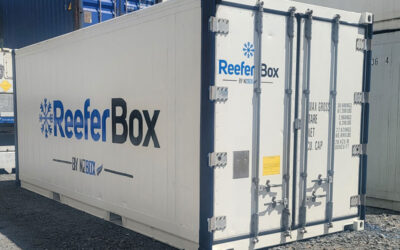
DIY container projects turn shipping containers into workshops, offices, studios, and storage spaces. They’re durable, flexible, and cost-effective solutions for home and business use in New Zealand.
Shipping containers are one of the most versatile DIY building blocks available in New Zealand. With the right size, smart modifications, and a clear plan, a container can become a secure workshop, a creative garden studio, or a long-term storage solution that evolves with your needs. This guide walks through seven practical DIY container projects, real-world style use cases, modification tips, and budget considerations to help you plan with confidence.
Container versatility for DIY projects
Shipping containers have moved well beyond ports and freight yards. Across New Zealand, they are being repurposed as workshops, office space, studios, and secure storage hubs for renovation projects. The appeal is simple. Containers are structurally strong, weather-resistant, and available in standardised sizes that make planning easier for DIY projects.
Research from Drewry and Container xChange shows that more than 40 million containers exist globally, with a growing proportion entering second-life uses rather than being scrapped. This reuse trend aligns closely with New Zealand’s focus on practical sustainability and adaptive renovation.
For DIY container projects in NZ that homeowners are considering, containers offer several advantages:
- Rapid deployment compared with building from scratch.
- Predictable costs and dimensions.
- Flexibility to hire short-term or purchase for long-term use.
- Easy modification through doors, windows, insulation, and fit-outs.
NZBOX supports this versatility through container sales and hire, professional container modifications, and container storage solutions that let projects scale over time.
Hypothetical Case Studies

1: Home workshop setup
The challenge:
A homeowner renovating their property needs a secure, weatherproof workspace to store tools, power equipment, and materials. Garage space is already full, and leaving tools exposed risks theft and damage.
The container solution:
A 20ft standard container positioned on level ground close to the renovation site. This size is one of the most popular choices for a container workshop because it balances internal space with a manageable footprint.
Key features added:
- Lockbox and upgraded locking system for security.
- Internal shelving and wall mounted tool racks.
- LED lighting and power points connected to the house supply.
- Optional insulation to reduce condensation and temperature swings.
According to BRANZ, moisture control is one of the biggest challenges in temporary structures used during renovations in New Zealand’s climate. Adding basic insulation and ventilation can significantly reduce condensation risk.
Outcome:
The container workshop becomes a central hub for the renovation. Tools stay organised, materials are protected, and productivity increases because everything is on site. Once the renovation is complete, the container can be repurposed as long-term storage or sold on.
This is a classic example of creative container uses that prioritise function first while keeping future flexibility in mind.
2: Garden studio or shipping container office
The challenge:
A homeowner wants a quiet, dedicated space for creative work or remote work, but does not want to commit to a full extension or consent-heavy build.
The container solution:
A 10ft or 20ft high cube container converted into a garden studio or shipping container office. High cube containers offer extra internal height, which improves comfort and design flexibility.
Modifications that matter:
- Double-glazed windows and a glazed door to maximise natural light.
- Insulation and internal lining to meet comfort expectations.
- Electrical fit-out suitable for office equipment.
- External paint or cladding to blend with the property.
Stats NZ reports that remote work remains a permanent feature for a significant portion of the workforce. This has driven increased demand for backyard office space that is separate from the main house.
Outcome:
The container provides a focused workspace without disrupting the home. If needs change, it can be relocated, reconfigured, or converted into a sleepout or hobby room, subject to local council rules.
NZBOX’s modification services help ensure these conversions are done professionally, safely, and with long term usability in mind.
3: Backyard storage solution during renovation
The challenge:
A renovation requires furniture, appliances, and materials to be stored securely for several months. Hiring off-site storage adds transport time and ongoing costs.
The container solution:
Hiring a container for on-site storage. This is one of the most practical container storage uses during renovation projects.
Why it works:
- Immediate access to stored items.
- Reduced handling and transport damage.
- Clear visibility over what is stored and where.
The New Zealand Institute of Building notes that material loss and damage are common causes of renovation delays. On site storage reduces these risks significantly.
Outcome:
Once the renovation is finished, the container can be returned, purchased, or repurposed. This flexibility appeals strongly to planners who want control over budget and logistics.
Seven inspiring DIY container project ideas
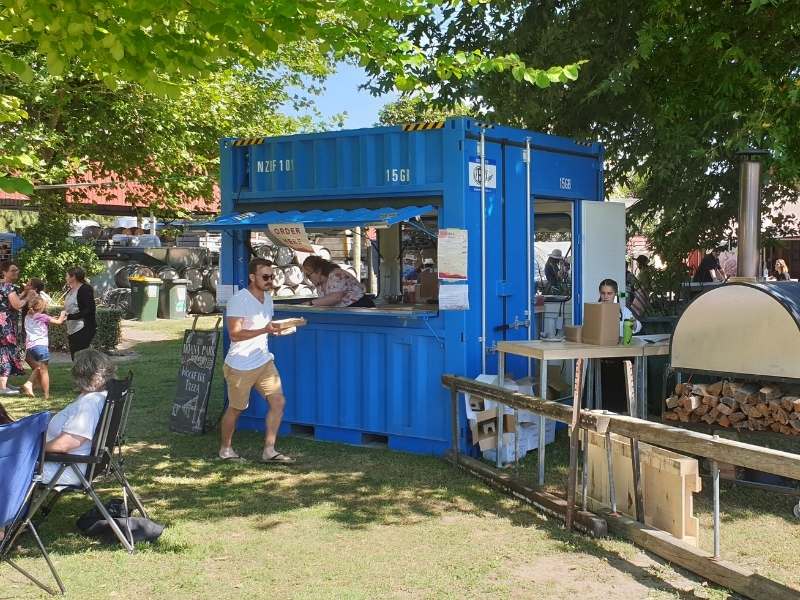
Beyond the case studies above, here are seven proven ideas that continue to resonate with DIY renovators and practical planners:
- Temporary renovation hub – storage plus a small planning desk.
- Container workshop – dedicated space for tools and fabrication.
- Shipping container office – remote work or small business use.
- Garden studio – creative or wellness-focused space.
- Secure equipment storage – bikes, surfboards, and lifestyle gear.
- Pop-up retail or site office – short-term commercial use.
- Future conversion shell – buy now, modify later as needs evolve.
Each of these projects benefits from starting with the right container size and condition. NZBOX offers guidance on choosing between standard, high cube, new, or used containers based on intended use.
Step by step modification tips
For anyone considering a shipping container conversion, a structured approach reduces risk and cost.
Step 1: Define the primary use
Be clear whether the container is a storage, workspace, or habitable space. This affects insulation, ventilation, and fit-out requirements.
Step 2: Choose the right size and type
Refer back to container size guides to avoid over or under sizing. Oversizing increases cost and placement challenges.
Step 3: Plan modifications early
Cutting doors or windows after delivery is more expensive. NZBOX’s modification services allow many changes to be completed before delivery.
Step 4: Address moisture and airflow
Ventilation, insulation, and floor treatments are critical in New Zealand conditions.
Step 5: Think about future reuse
Design modifications that do not limit future uses. Removable shelving and modular fit outs help.
MBIE guidance on building and housing confirms that while many container uses do not require consent, habitable conversions often do. Early planning avoids compliance surprises.
Budget breakdown: what to expect
Costs vary depending on whether you hire or buy and how far you go with modifications. As a general guide:
- Container hire: Lower upfront cost; ideal for temporary projects.
- Container purchase: Higher initial spend but better long-term value.
- Basic modifications: Lockboxes, shelving, ventilation.
- Advanced modifications: Insulation, windows, electrical fit out.
Industry data shows that container based structures can cost 20 to 40 percent less than traditional builds for similar sized spaces, particularly for non habitable uses.
NZBOX provides transparent pricing and advice to help match budget to project scope, which is especially important for cautious planners.
What many suppliers don’t talk about
Many container suppliers focus purely on price or size. NZBOX takes a broader approach that includes:
- Advice on site access and placement logistics.
- Honest guidance on future resale or repurposing.
- Integrated storage and modification solutions rather than one-off sales.
- Education through detailed guides and blog content to support confident decisions.
This partner style approach matters for people investing time, money, and pride into DIY projects.
Your project planning guide starts here
If you are considering a DIY container project, the next step is planning with clarity. NZBOX offers practical guidance on container selection, modification options, and storage solutions tailored to New Zealand conditions.
Explore container sales and hire options, learn more about professional modifications, or talk to the team about short and long term storage needs. A well planned container project saves time, money, and stress.
Frequently asked questions
Do I need council consent for a shipping container project?
For storage and temporary use, consent is often not required. Habitable spaces such as offices or studios may require consent depending on location and fit out. Always check with your local council.
What container size is best for DIY projects?
Most DIY container projects NZ homeowners choose start with 10ft or 20ft containers. The right size depends on use, site space, and future plans.
How secure are shipping containers for tool storage?
With lockboxes and quality padlocks, containers are one of the most secure on site storage options available.
Can I modify a container later if my needs change?
Yes. Containers are designed to be modified over time. Starting with a versatile base makes future changes easier.
Is container hire or purchase better for renovations?
Hire works well for short term projects. Purchase offers better value if you plan to reuse or repurpose the container long term.